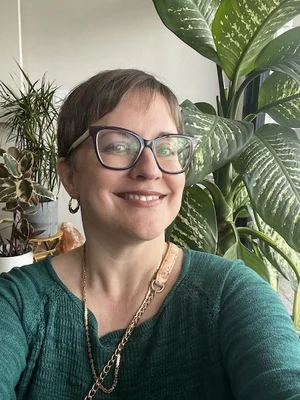
Episode 11: Fighting for Beauty - Finding Light in Dark Times with Philippa Hughes
Get ready for the infectious creative energy of one Philippa Pham Hughes, a self-described “social sculptor” on a mission to create a society where all human beings flourish.
Fresh off a plane from Paris — where she spent three months writing a book about the American Dream — Philippa Pham Hughes joins me for a wide-ranging conversation that travels from the trivial to the profound (as the best conversations tend to do). We explore what it means to age without giving up on life, the tension between caring deeply about the world versus caring only about ourselves, and why choosing to unpack your suitcase at midnight might actually be an act of self-love. The conversation takes vulnerable turns as we grapple with judgment, public vulnerability, and the pressure to always say the wisest thing. Philippa closes with a powerful manifesto: in a world that feels like an emotional assault, surrounding ourselves with beauty—and fighting for everyone's right to experience it—might just be our salvation.
What we talk about
How we perceive ourselves and others as we age, and the importance of fighting against giving up on life rather than fighting age itself
Making choices that serve your current needs or set up your future self for success (unpacking after a trip, exercise, and other daily decisions)
Using social media as a way of "exercising power" by sharing breadcrumbs of your work and thinking to build visibility over time
Grappling with whether most people only care about themselves, and how this shows up in one-sided conversations
Wrestling with how to be authentic and show human frailty without being inflammatory or getting taken out of context
What it means to give a damn when the world feels like an emotional assault
Finding and fighting for beauty in everyday moments, especially during dark times
Recognizing that not everyone has equal access to imagination or beauty in their daily lives
Mentioned in the episode
About Philippa
Learn more about Philippa and explore her “social sculptures” on her website. Read her blog, and connect with her on Instagram and LinkedIn.
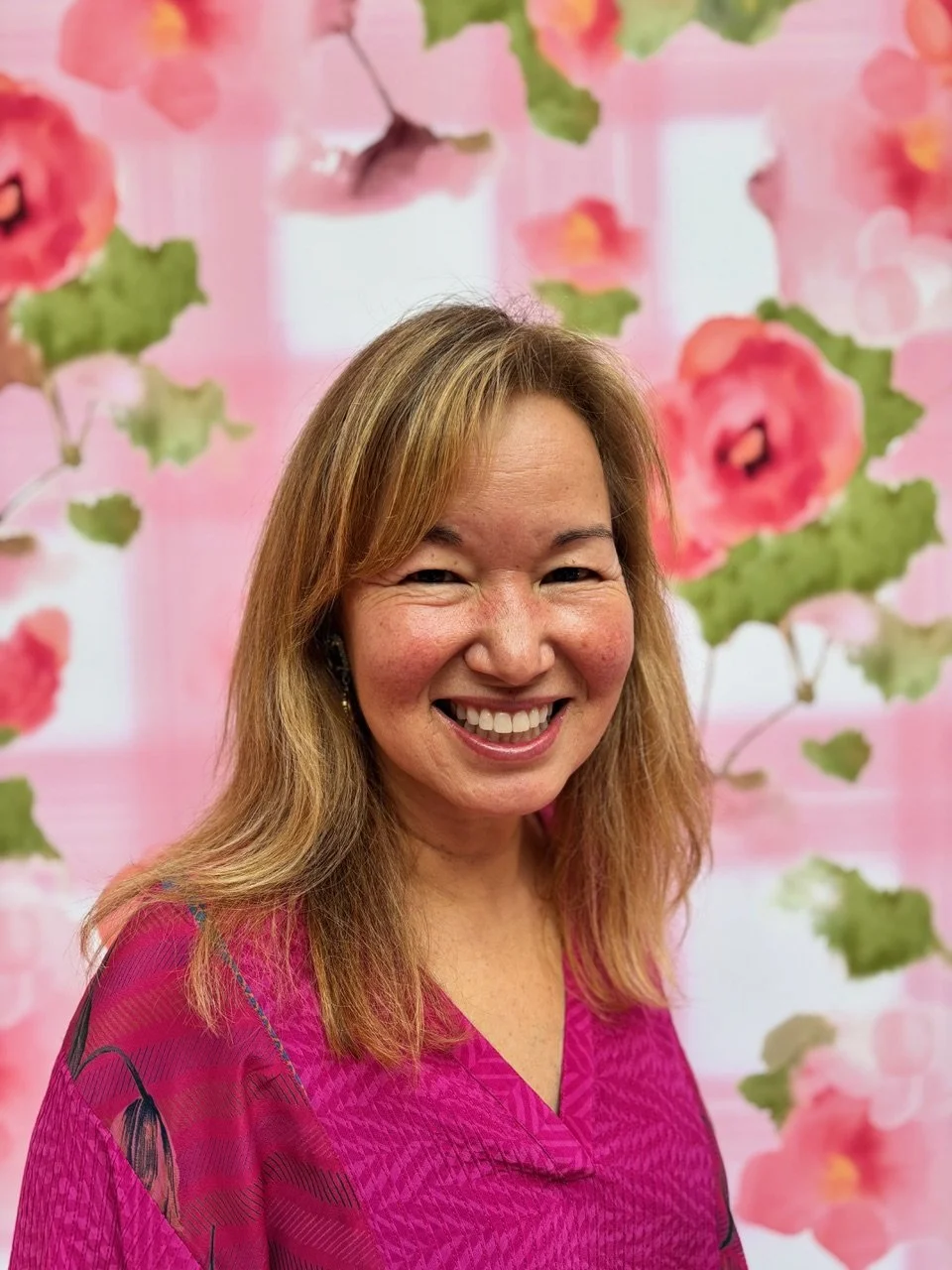
Philippa Pham Hughes
Philippa Pham Hughes is a social sculptor, speaker, and writer whose mission is to create a society in which all humans flourish.
She has been a Social Practice Resident at The Kennedy Center, Visiting Artist For Arts & Civic Engagement at the University of Michigan Museum of Art, and a Lecturer at the Ford School of Public Policy at the University of Michigan. She is a contributing author on art and civic engagement in the forthcoming book, An Empathy-Building Toolkit For Museums, and the American Futures Anthology, published by the organization Catalyst for American Futures.
Philippa applies relational thinking and an aesthetic of care and delight to her work in democracy building, civic engagement, and repairing the social fabric of our country one creative conversation at a time. She draws from the arts and humanities to design spaces for honest conversations across political, social, and cultural differences.
Philippa speaks about harnessing the transformative power of art to strengthen human connection, repair the social fabric, increase civic engagement, and promote human flourishing. She has spoken widely, including SXSW, Cato Institute, TEDxAmericanUniversity, Davidson College Center For Civic Engagement, University of Michigan's Penny Stamps Speaker Series, Art & Democracy Day at Hopkins Bloomberg Center, High Desert Museum Project, and Fort Worth Women's Policy Forum. Her work has been featured by artnet, CNN, NPR, PBS Newshour, CityLab, and The Washington Post.
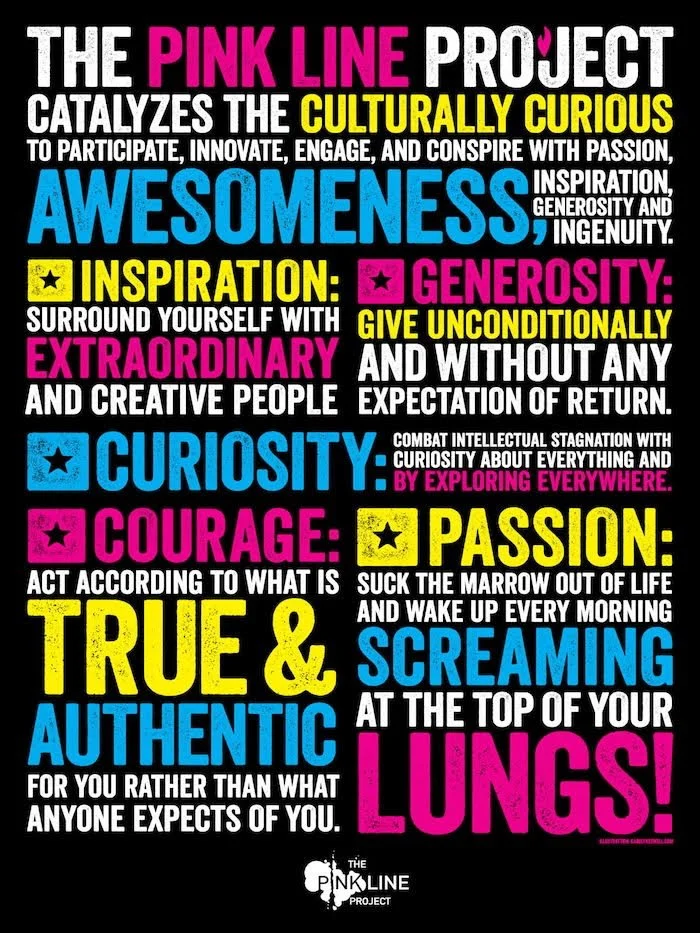
The mission statement and values that Philippa shares in this episode - developed for her former business entity, The Pink Line Project, but/and still the guiding force behind her work